Automated Patient Payment Options: How IVR, Pay-by-Text, and Chatbots Are Reshaping Collections
Overdue balances are piling up faster than most billing teams can work them. Statements go unopened, phone lines stay busy during business hours only, and by the time an account is "worked," the patient or customer has already tuned out. Meanwhile, the cheapest, most effective moment to collect — early, while the balance is fresh and the relationship is intact — quietly slips past.
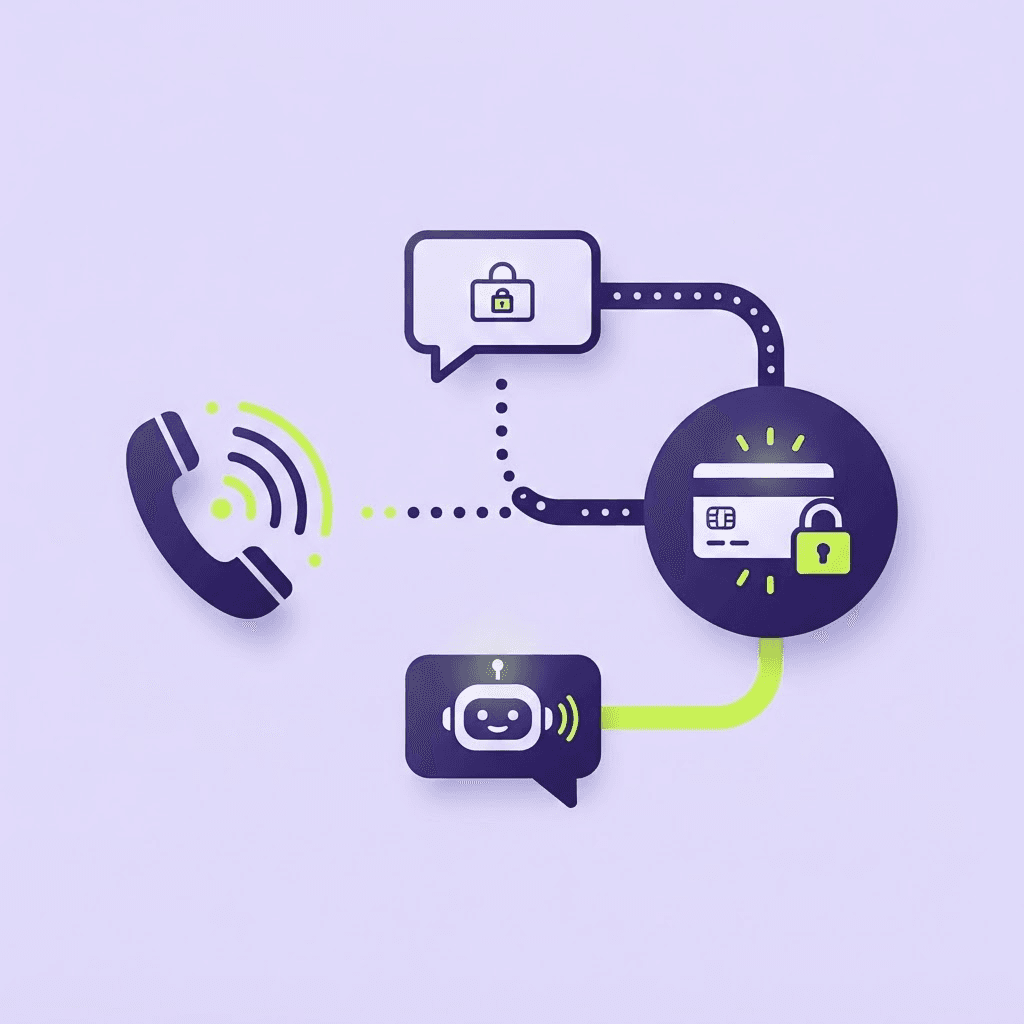
Automated patient payment options are changing that math. Instead of relying on paper statements and staffed call queues, revenue-cycle and AR teams are letting people pay the way they already do everything else: by phone prompt, by text, and by chat. Three channels in particular — IVR, pay-by-text, and conversational chatbots — now do the heavy lifting, and the results are hard to ignore.
Why self-service payment is winning
The behavior shift is already here. 93% of patients opt to receive text messages from their providers, and 59% prefer text notifications for their bills. When you meet people on the channels they actually check, the numbers move: text-to-pay delivers a 98% open rate versus roughly 24% for email, with nearly 90% of recipients responding within 30 minutes. Organizations adopting these tools report about a 30% improvement in collection rates.
The macro trend backs it up. Health systems reported collecting 31% of total patient billings in 2026, up from 24% in 2025 — a meaningful jump driven largely by earlier, easier ways to pay. The healthcare digital-payments market is expanding accordingly, from an estimated $23.0 billion in 2025 to $28.2 billion in 2026, a 22.5% growth rate.
For any organization carrying high volumes of patient — or patient-style consumer — receivables, the takeaway is simple: friction is the enemy of collection, and automation removes it.
IVR payments: the 24/7 phone channel
Interactive Voice Response (IVR) payments let someone call in and pay a balance through automated voice prompts — no agent required, any hour of the day. It's the workhorse channel for people who still reach for the phone, and it removes the single biggest limiter on phone collections: office hours.
The advantages compound quickly:
- Always on. Patients and customers can pay from a landline or mobile phone at 11 p.m. on a Sunday, not just during a staffed 9-to-5 window.
- Lower labor cost. Routine "I want to pay my bill" calls no longer consume live-agent time, freeing staff for the accounts that genuinely need a human.
- Consistency. Every caller gets the same compliant script and the same clear path to payment.
Done right, IVR turns your phone line from a cost center into a self-service payment channel that works while your office is closed. That's the idea behind ACM's Digital Agent — an AI voice agent that answers every call, reads a live balance, and takes payment around the clock.
Pay-by-text: the highest-engagement channel
If IVR is the workhorse, pay-by-text is the sprinter. A short, branded message with a secure payment link lands in a channel people open almost immediately — and that open-rate advantage over email and paper is the whole game.
Text works best as a nudge plus a secure handoff: a reminder that a balance is due, a link to a protected payment page, and a confirmation once it's paid. Because so many recipients respond within half an hour, text is especially powerful early in the cycle, before a balance ages into something people avoid.
One important guardrail: text messaging itself is not a secure channel for financial or personal health information. The right approach is to use text for reminders and links that route into a secure, compliant payment environment — never to collect card or account details in the message thread itself. Reputable platforms are built exactly this way.
Chatbots and conversational AI: payments plus answers
Chatbots close the loop on the questions that stall payment. "Why did I get two bills?" "Can I split this into payments?" "What's this charge?" Those questions used to require a phone call and a hold time. Conversational AI answers them in the moment — and then takes the payment.
Modern conversational assistants can:
- Answer routine balance, insurance, and billing-explanation questions instantly.
- Offer payment plans and let people choose how they want to pay.
- Escalate to a live agent with full context when a case genuinely needs one.
The productivity case is real: one study of a generative-AI conversational assistant found a 34% productivity gain among newer agents and 14% on average. For billing teams, that means routine, high-volume inquiries get handled automatically, and skilled staff spend their time where it actually changes the outcome.
The real advantage: working balances earlier, at lower cost
Here's what ties all three channels together. The most expensive way to recover a balance is to let it age, stop working it, and hand it to a third-party collection agency — where contingency fees typically run 15-40%, and often higher for patient accounts because recovery rates are low and compliance costs are high.
Automated payment options let you recover far more of that balance before it ever reaches an agency, in the early-out window where cost-to-collect is a fraction of contingency. Instead of paying a third of every recovered dollar, you keep the vast majority of it — and the balance never leaves your brand.
That's the core idea behind first-party, pre-agency recovery: run overdue accounts through IVR, pay-by-text, and chatbot channels early, under your own name, with live agents as backup only when needed. You collect more, you keep more, and your patients or customers never feel handed off to a stranger. When recovery is the primary goal, ACM's Digital Collector is purpose-built for exactly this first-party, pre-agency model.
Don't forget compliance
Automation only works if it's safe. Any serious patient-payment stack needs PCI DSS Level 1 card handling and HIPAA-aware treatment of personal data — with card details captured inside a secure environment and never landing in your EHR, your CRM, or a call recording. The security model isn't a nice-to-have; in healthcare, it's the price of entry. Choose platforms that make it structural, not an afterthought.
The bottom line
Automated patient payment options aren't a futuristic upgrade — they're the current standard for teams that want to collect more without adding headcount. IVR keeps the phone line earning after hours. Pay-by-text captures attention where people actually look. Chatbots answer the questions that stall payment and take the money on the spot. Together, they let you work balances earlier, at a fraction of agency cost, all under your own brand.
Advanced Cash Management brings these channels together into a single AI-driven, first-party recovery program — with live agents when they're needed — so you recover more of what you're owed before it ever reaches an agency.
Want to see how it would work on your book? Schedule a discovery call → or call (866) 240-2160.
Frequently asked questions
What are automated patient payment options? They're self-service channels that let patients pay a balance without a live agent — primarily IVR (automated phone payments), pay-by-text (a secure payment link sent by SMS), and chatbots (conversational AI that answers billing questions and takes payment). They work around the clock and route every transaction into a secure, compliant payment environment.
Is pay-by-text secure for medical bills? The text message itself is not a secure channel, so card and account details should never be collected in the message thread. Done correctly, text is used only for reminders and a link that routes the patient into a PCI DSS compliant payment page — keeping sensitive data out of SMS entirely.
How much can automation improve collection rates? Organizations adopting these tools report roughly a 30% improvement in collection rates, driven largely by reaching people on channels they actually check and by capturing payment earlier in the cycle, while the balance is still fresh.
Why collect before sending accounts to an agency? Third-party collection agencies typically charge contingency fees of 15-40% (often higher on patient accounts). Recovering balances early through first-party automated channels means you keep the vast majority of each dollar instead of a fraction, and the account never leaves your brand.
What compliance standards matter for patient payments? PCI DSS Level 1 for card handling and HIPAA-aware treatment of personal data are the baseline. Card details should be captured inside a secure environment and never stored in your EHR, CRM, or call recordings.
This article is general information about payment automation and healthcare collections and is not legal or compliance advice. Statistics are drawn from industry reporting. PCI DSS, HIPAA, and TCPA obligations depend on your industry, jurisdiction, and implementation; consult qualified counsel and your QSA about your specific requirements.